Are you looking to kickstart your journey towards better health and wellness? Look no further! In this article, we will guide you through easy steps to begin a mini-cleanse, designed specifically for beginners. By following these simple techniques, you can cleanse your body of toxins and boost your overall wellness. With a focus on your well-being, we will introduce you to the world of mini-cleanses, allowing you to take those first steps towards a healthier lifestyle. So, are you ready to embark on this transformative journey? Let’s get started!
Choosing the Right Mini-Cleanse

Identify your goals and preferences
When embarking on a mini-cleanse, it’s important to first identify your goals and preferences. Are you looking to boost your overall health, shed a few pounds, or simply cultivate healthier eating habits? Understanding what you hope to achieve from the cleanse will help you choose the most suitable one for you.
Additionally, consider your preferences when it comes to food and lifestyle. Do you prefer a juice cleanse, a raw food cleanse, or a cleanse that allows for cooked meals? Take into account what types of foods you enjoy and what you think you can realistically stick to.
Research different types of mini-cleanses
With a plethora of mini-cleanses available, it’s important to do your research and understand the different types. Some popular options include juice cleanses, where you consume only freshly squeezed juices for a certain period; raw food cleanses, where you eat only uncooked fruits, vegetables, nuts, seeds, and sprouts; and whole food cleanses, where you eliminate processed foods and focus on whole, nutrient-dense foods.
Take the time to read about each type of cleanse, learn about their benefits, and understand any potential drawbacks. It’s also a good idea to consult with a healthcare professional or nutritionist to ensure you choose a cleanse that aligns with your individual needs and dietary restrictions.
Consider your lifestyle and schedule
Before committing to a mini-cleanse, consider your lifestyle and schedule. Some cleanses may require more time for food preparation and planning, while others may be more convenient for those with busier schedules. Consider factors such as work commitments, social obligations, and family responsibilities when choosing a cleanse.
If you have a particularly demanding schedule, opting for a mini-cleanse that allows for prepared meals or offers meal delivery services may be more suitable. On the other hand, if you enjoy spending time in the kitchen and have the flexibility to prepare your own meals, a cleanse that focuses on whole foods and homemade recipes may be a great fit.
Preparing for Your Mini-Cleanse

This image is property of images.pexels.com.

Clear out unhealthy food from your pantry
One of the first steps in preparing for a mini-cleanse is to clear out any unhealthy food from your pantry. Get rid of processed snacks, sugary treats, and anything that doesn’t align with your goals and preferences for the cleanse. This will help eliminate temptation and create a clean slate for your new eating habits.
Consider donating any unopened, unexpired items to a local food bank or nonprofit organization. Not only will this help those in need, but it will also prevent any wasted food.
Stock up on fresh fruits and vegetables
To ensure a successful mini-cleanse, it’s essential to stock up on fresh fruits and vegetables. These will serve as the foundation of your meals and snacks throughout the cleanse. Aim for a variety of colorful produce, as different fruits and vegetables offer different nutrients and benefits.
Consider shopping at local farmer’s markets or joining a community-supported agriculture (CSA) program to access seasonal, locally-grown produce. This not only supports local farmers but also ensures that you’re getting the freshest, most nutritious ingredients.
Gather necessary tools and equipment
Before beginning your mini-cleanse, gather the necessary tools and equipment to support your new eating habits. This may include a blender or juicer for preparing smoothies or fresh juices, a food processor for making homemade dips and spreads, and kitchen tools such as knives, cutting boards, and storage containers for meal prep.
Investing in a good quality water bottle and airtight containers will also be beneficial for staying hydrated and keeping your meals fresh. Taking the time to gather these items in advance will make the cleanse process much smoother and more enjoyable.
Creating a Meal Plan

This image is property of images.pexels.com.
Include a variety of fruits and vegetables
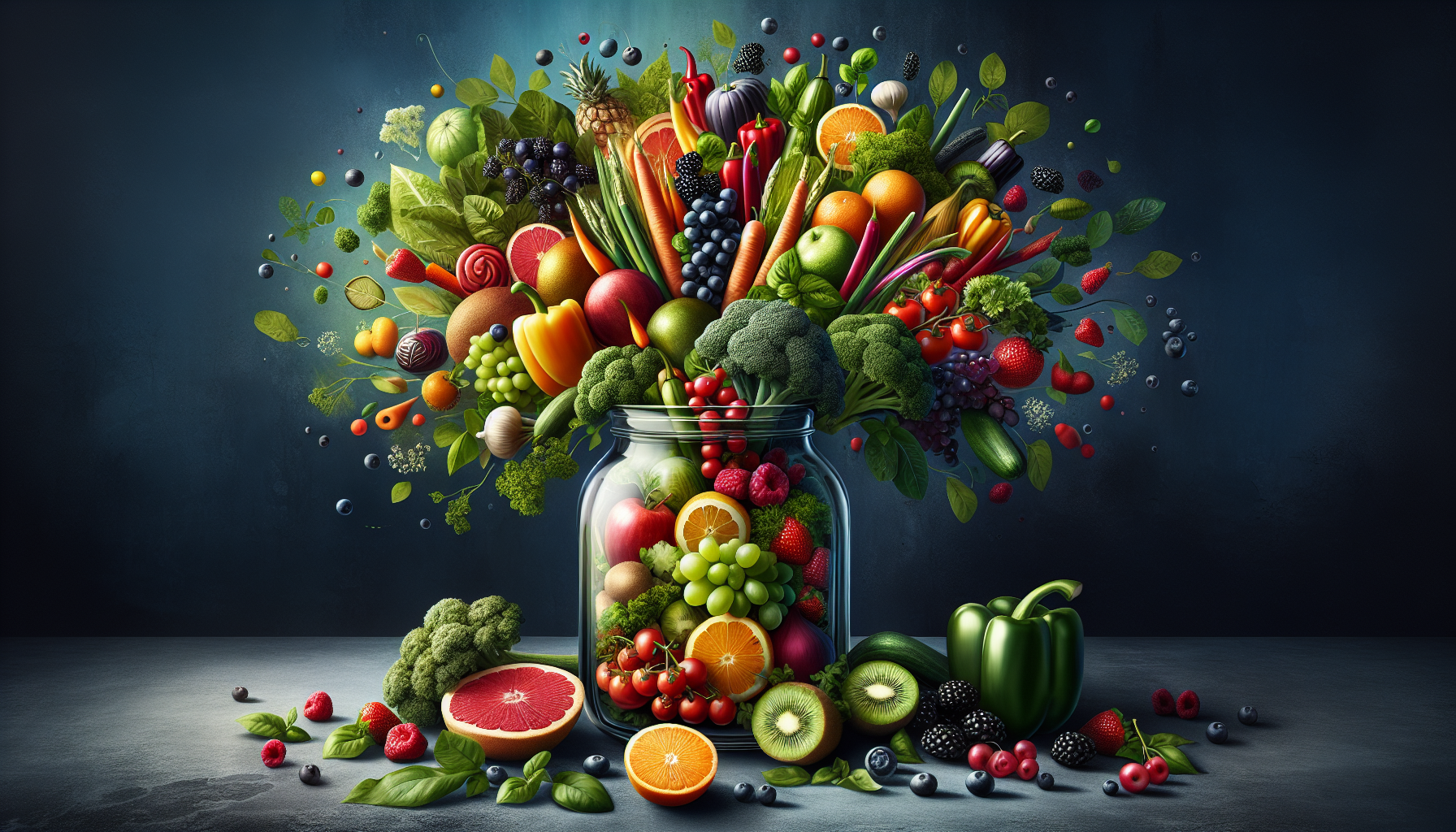
When creating your mini-cleanse meal plan, prioritize incorporating a wide variety of fruits and vegetables. These plant-based foods are packed with essential vitamins, minerals, and antioxidants that support overall health and well-being.
Consider including leafy greens, such as kale or spinach, as a base for salads or smoothies. Add colorful fruits like berries, citrus fruits, and melons for added flavor and sweetness. Don’t forget about cruciferous vegetables like broccoli, Brussels sprouts, and cauliflower, which offer numerous health benefits and can be easily incorporated into meals.
Incorporate whole grains and lean proteins
In addition to fruits and vegetables, it’s important to include whole grains and lean proteins in your mini-cleanse meal plan. Whole grains provide fiber and important nutrients, while lean proteins help build and repair tissues in the body.
Opt for whole grain options like quinoa, brown rice, and oats, which offer more nutrients and fiber than refined grains. When it comes to proteins, choose sources such as skinless chicken breast, fish, tofu, beans, lentils, and Greek yogurt.
Drink plenty of water
Hydration is crucial during a mini-cleanse, so be sure to drink plenty of water throughout the day. Water helps flush out toxins, aids digestion, and keeps your body functioning optimally. Aim for at least 8 cups (64 ounces) of water daily, and even more if you’re physically active.
Adding slices of lemon, cucumber, or fresh herbs like mint to your water can make it more refreshing and flavorful. Herbal teas and infused water can also be enjoyed for added hydration and variety.
Eliminating Processed Foods
This image is property of images.pexels.com.
Read labels and avoid added sugars and preservatives
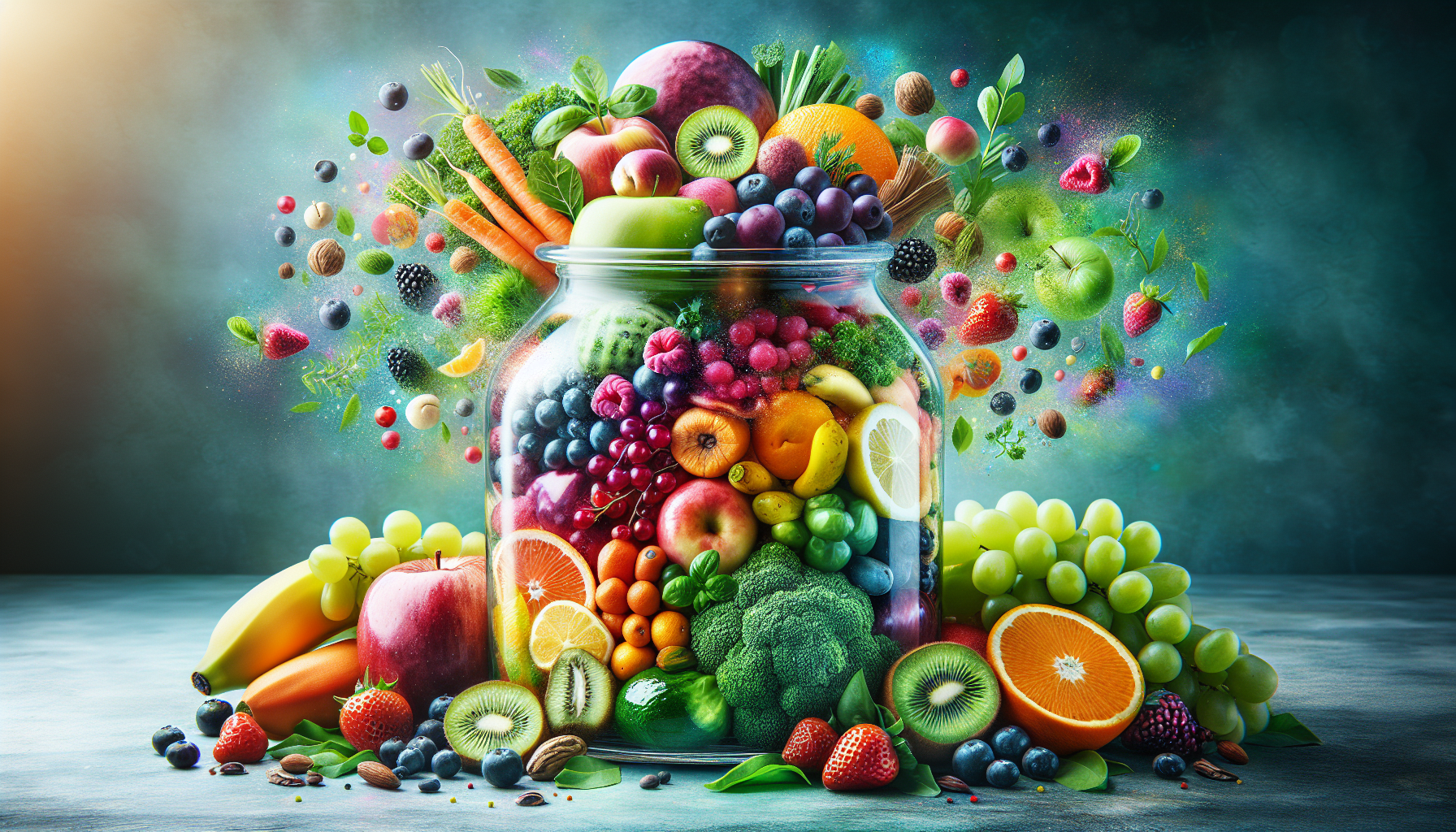
When removing processed foods from your diet, it’s important to read labels and avoid products that contain added sugars and preservatives. These ingredients can have a negative impact on your health and may hinder the benefits of your mini-cleanse.
Pay attention to ingredient lists and look out for names like high-fructose corn syrup, artificial sweeteners, and various chemicals and additives. Instead, opt for whole food alternatives and ingredients that are minimally processed and naturally derived.
Replace processed snacks with whole food alternatives
Instead of reaching for processed snacks during your mini-cleanse, make an effort to replace them with whole food alternatives. Instead of potato chips, try air-popped popcorn or homemade kale chips. Swap candy bars for fresh fruit or homemade energy balls made with nuts and dates.
Preparing snacks in advance and having them readily available can help prevent impulsive unhealthy snacking. Consider pre-cutting vegetables and storing them in the refrigerator with hummus or nut butter for dipping. These whole food alternatives will provide essential nutrients while keeping you satisfied between meals.
Cook meals from scratch
To truly eliminate processed foods during your mini-cleanse, strive to cook meals from scratch as much as possible. This allows you to have full control over the ingredients and ensures that your meals are made with whole, nutrient-dense foods.
Spend time experimenting with different recipes and flavors to keep your meals interesting and enjoyable. Look for inspiration in cookbooks, online recipe websites, or even by joining cooking classes or workshops. By cooking meals from scratch, you can have peace of mind knowing exactly what is going into your body and nourishing yourself with wholesome ingredients.
Reducing Alcohol and Caffeine Consumption
Gradually decrease your intake
If you regularly consume alcohol or caffeine, it’s recommended to gradually decrease your intake before starting your mini-cleanse. Suddenly cutting these substances out completely can lead to withdrawal symptoms such as headaches, fatigue, and irritability.
Start by reducing your consumption by half for a few days, then gradually decrease further until you reach the desired level or eliminate them completely. This gradual approach will make the transition smoother and increase your chances of successfully reducing your consumption.
Replace alcoholic and caffeinated beverages with herbal teas and water
During your mini-cleanse, it’s important to replace alcoholic and caffeinated beverages with healthier alternatives. Herbal teas, such as chamomile or peppermint, can provide warmth and relaxation without the stimulating effects of caffeine. They can also offer various health benefits depending on the blend.
Water should be your go-to drink throughout the cleanse period. Stay hydrated by sipping water regularly and try infusing it with fruits or herbs for added flavor. Hydrating properly will help flush out toxins and keep your body functioning optimally.
Be mindful of withdrawal symptoms
When reducing alcohol and caffeine consumption, it’s essential to be mindful of any withdrawal symptoms that may arise. Headaches, fatigue, irritability, and difficulty concentrating are common symptoms that may occur as your body adjusts to the decrease in these substances.
Be patient with yourself during this process and remember that these symptoms are temporary. Practice self-care, get plenty of rest, and stay hydrated to help alleviate any discomfort. If necessary, seek professional guidance for support in managing withdrawal symptoms.
Increasing Physical Activity
Incorporate daily exercise into your routine
Physical activity is an essential component of a healthy lifestyle and can greatly enhance the benefits of your mini-cleanse. Aim to incorporate daily exercise into your routine, whether it’s going for a walk, joining a fitness class, or engaging in activities you enjoy.
Find activities that you genuinely enjoy, as this will increase your motivation to be consistent. Whether it’s dancing, swimming, yoga, or hiking, choose activities that make you feel good and bring you joy. Remember, exercise doesn’t have to be intimidating or boring – it can be a fun and enjoyable part of your day.
Choose activities you enjoy
Engaging in physical activity becomes much easier when you choose activities that align with your interests and preferences. If you’re not a fan of traditional workouts, don’t force yourself to do something you dislike. Instead, find alternative ways to stay active that bring you happiness and a sense of accomplishment.
Consider joining recreational sports leagues, trying out new fitness classes, or exploring outdoor activities like biking, kayaking, or gardening. By incorporating activities you genuinely enjoy, you’ll be more likely to stick to a regular exercise routine beyond the duration of your mini-cleanse.
Start with small goals and gradually increase intensity
When increasing physical activity, it’s important to start with small, achievable goals and gradually increase intensity. Set realistic expectations for yourself and listen to your body, respecting its limits and giving it time to adapt.
Begin by incorporating 30 minutes of moderate-intensity exercise most days of the week, such as brisk walking or cycling. As your fitness level improves, you can gradually increase the duration and intensity of your workouts. Remember, it’s not about pushing yourself to the limit, but rather finding a sustainable routine that works for you.
Practicing Mindful Eating
Eat slowly and pay attention to hunger and fullness cues
Practicing mindful eating during your mini-cleanse involves slowing down and paying attention to your body’s hunger and fullness cues. Often, we eat out of habit or for emotional reasons without truly listening to what our bodies need.
Take the time to savor each bite, chewing thoroughly, and paying attention to the texture, taste, and aroma of your food. This allows you to fully experience your meals and fosters a deeper connection with the nourishment you’re providing your body.
Chew food thoroughly and savor the flavors
Chewing food thoroughly is an essential aspect of mindful eating. By taking the time to chew each bite properly, you aid the digestion process and allow your body to extract maximum nutrients from the food.
As you chew, focus on the flavors and textures of the food. Appreciate the natural sweetness of a piece of fruit, the crunchiness of a vegetable, or the rich flavors of a well-prepared meal. Mindful eating allows you to derive more pleasure and satisfaction from your food, leading to a more positive relationship with eating.
Avoid distractions while eating
In our busy lives, it’s common to multitask and eat while distracted. However, during your mini-cleanse, make an effort to avoid distractions while eating. Turn off the TV, put away your phone, and create a calm and inviting environment for meals.
By focusing solely on your food, you’ll be able to eat more slowly, pay attention to satiety cues, and fully enjoy the experience. This practice can also help prevent overeating and promote a healthier relationship with food in the long run.
Keeping a Food Journal
Track your food intake and emotions
Keeping a food journal during your mini-cleanse can provide valuable insights into your eating habits, as well as the emotional connections you have with food. Take the time to track your daily food intake, including portion sizes and any snacks or treats consumed.
Alongside your food log, jot down any emotions or feelings that arise before, during, or after eating. This can help you identify patterns and triggers, such as stress eating or emotional eating, and allow you to make adjustments accordingly.
Identify patterns and triggers
By consistently tracking your food intake and emotions, you’ll be able to identify patterns and triggers that impact your eating habits. This awareness is key to making lasting dietary changes and having a healthier relationship with food.
For example, you may notice that you tend to snack mindlessly when stressed or that certain foods make you feel bloated or sluggish. By pinpointing these patterns and triggers, you can develop strategies to address them, such as finding alternative stress-management techniques or avoiding specific foods that don’t make you feel your best.
Make adjustments based on your observations
The purpose of keeping a food journal is to help you make adjustments based on your observations. As you track your food intake and emotions, pay attention to how certain foods make you feel physically and emotionally.
If you notice that certain foods cause digestive discomfort or leave you feeling lethargic, consider reducing or eliminating them from your diet. On the other hand, if you find that certain foods energize you and boost your mood, incorporate them more regularly into your meal plan. By using your observations as a guide, you can make personalized adjustments that support your overall well-being.
Managing Stress Levels
Practice relaxation techniques such as deep breathing and meditation
Stress can have a significant impact on our health and well-being. During your mini-cleanse, it’s important to manage stress levels effectively. Incorporate relaxation techniques into your daily routine, such as deep breathing exercises and meditation.
Deep breathing helps activate the body’s relaxation response and promotes a sense of calm. Take a few moments each day to sit in a comfortable position, close your eyes, and take slow, deep breaths. Focus on the sensation of the breath entering and leaving your body, allowing your mind to relax and release tension.
Engage in stress-reducing activities like yoga or walking
Engaging in stress-reducing activities like yoga or walking can also be highly beneficial during your mini-cleanse. These activities promote physical movement, release endorphins, and provide an outlet for stress and tension.
Yoga combines movement with deep breathing and mindfulness, making it an excellent practice for reducing stress and promoting relaxation. If yoga isn’t your thing, a leisurely walk in nature can have similar benefits. Take time to connect with nature, appreciate the sights and sounds around you, and let go of any stress or worries that may be weighing you down.
Prioritize self-care and rest
Self-care and rest are essential components of managing stress levels and promoting overall well-being. During your mini-cleanse, make it a priority to engage in activities that bring you joy and relaxation.
This may include taking bubble baths, reading a good book, practicing a hobby, or spending quality time with loved ones. Remember that self-care looks different for everyone, so identify what activities recharge you and make sure to prioritize them regularly.
Gradual Transition after the Mini-Cleanse
Slowly reintroduce eliminated foods to assess their impact on your well-being
After completing your mini-cleanse, it’s important to gradually reintroduce the foods you eliminated to assess their impact on your well-being. This will help you identify any sensitivities or allergies and determine which foods make you feel your best.
Introduce one food group at a time and pay close attention to how your body responds. Notice any changes in digestion, energy levels, mood, or overall well-being. By taking a gradual approach, you’ll be able to make more informed decisions about your long-term dietary choices.
Reflect on your experience and make long-term dietary changes
Take the time to reflect on your mini-cleanse experience and recognize any positive changes or challenges you faced along the way. Acknowledge the progress you’ve made and assess which aspects of the cleanse you enjoyed and found beneficial.
Use this reflection as an opportunity to make long-term dietary changes that align with your goals and preferences. You may choose to continue incorporating more whole foods into your meals, reducing processed food intake, or maintaining other healthy habits you adopted during the cleanse.
Maintain healthier habits acquired during the mini-cleanse
The ultimate goal of a mini-cleanse is to cultivate healthier habits that can be maintained even after the cleanse is over. Focus on integrating the positive changes you experienced during the cleanse into your daily life and sticking to them in the long term.
Continue prioritizing fresh fruits and vegetables, mindful eating, regular exercise, and stress management techniques. By maintaining these healthier habits, you’ll continue to support your overall health and well-being, laying the foundation for a sustainable and balanced lifestyle.
In conclusion, choosing the right mini-cleanse involves identifying your goals and preferences, researching different types of cleanses, and considering your lifestyle and schedule. Preparing for the cleanse requires clearing out unhealthy food, stocking up on fresh produce, and gathering necessary tools and equipment. Creating a meal plan involves incorporating a variety of fruits, vegetables, whole grains, and lean proteins, as well as drinking plenty of water. Eliminating processed foods involves reading labels, replacing snacks with whole food alternatives, and cooking meals from scratch. Reducing alcohol and caffeine consumption should be done gradually and replaced with herbal teas and water. Increasing physical activity involves daily exercise, choosing enjoyable activities, and starting with small goals. Practicing mindful eating entails eating slowly, paying attention to hunger and fullness cues, and avoiding distractions. Keeping a food journal helps track food intake and emotions, identify patterns and triggers, and make adjustments based on observations. Managing stress levels involves practicing relaxation techniques, engaging in stress-reducing activities, and prioritizing self-care and rest. Finally, after the mini-cleanse, gradually reintroduce eliminated foods and make long-term dietary changes based on the experience. The goal is to maintain the healthier habits acquired during the cleanse for long-term well-being.