
Welcome to an insightful article about nurturing your mental wellness and maintaining a healthy gut. By taking care of your digestive system, you may also be supporting your mental health and overall well-being. This article will delve into the link between gut health and mental wellness, providing valuable information to help you prioritize your health and happiness. Stay tuned for tips and information to empower you to change your mind and body positively.
Understanding Gut Health
Your gut microbiome is home to trillions of bacteria, fungi, and other microbes crucial in digestion, nutrient absorption, and immune function. The delicate balance of microorganisms in your gut is essential for optimal health. When this balance is disrupted, it can lead to a variety of health issues, including digestive problems, inflammation, and even mental health disorders.
The Gut-Brain Axis
The gut-brain axis is a bidirectional communication system that connects the gut and brain. This complex network involves the central nervous system, the enteric nervous system (the nervous system of the gut), and the gut microbiota. Communication between the gut and brain is mediated by various pathways, including the vagus nerve, hormones, and immune system signals.
Did you know that your gut and brain are in constant communication? This connection is known as the gut-brain axis, and it plays a crucial role in your overall well-being.
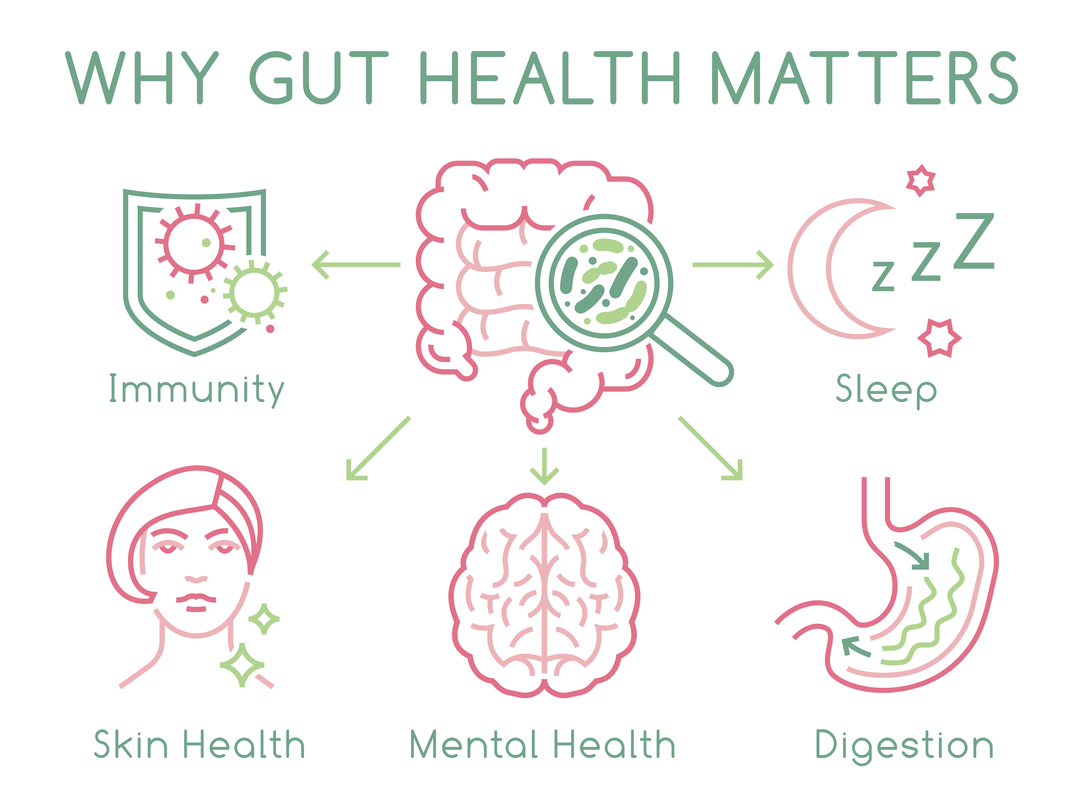
This image is property of thrivehealth.fitness.
The Link Between Gut Health and Mental Wellness
Research has shown a significant link between gut health and mental wellness. An imbalance in gut bacteria, known as dysbiosis, has been associated with various mental health conditions, such as depression, anxiety, and even neurodegenerative diseases. Understanding the relationship between your gut and brain can empower you to control your mental health by nurturing your gut microbiome.
Gut Health and Depression
Depression is a common mental health disorder that affects millions of people worldwide. Studies have found that individuals with depression often have alterations in their gut microbiota composition. The gut microbiome produces neurotransmitters, such as serotonin and dopamine, which play a key role in regulating mood. Imbalances in these neurotransmitters can contribute to the development of depression.
Did you know that your gut microbiome produces neurotransmitters that impact your mood? By maintaining a healthy gut, you can support the production of these “feel-good” chemicals and potentially reduce your risk of depression.
Gut Health and Anxiety
Anxiety disorders are characterized by excessive worry, fear, and tension that can interfere with daily activities. Research suggests that gut dysbiosis may contribute to the development of anxiety. The gut microbiome influences the production of stress hormones, such as cortisol, which can affect your mood and anxiety levels. By promoting a diverse and balanced gut microbiome, you may be able to alleviate symptoms of anxiety and improve your overall mental well-being.
Did you know that your gut microbiome can influence your stress levels and anxiety? Taking care of your gut health can help regulate stress hormones and reduce feelings of anxiety.
Gut Health and Neurodegenerative Diseases
Neurodegenerative diseases, such as Alzheimer’s and Parkinson’s, are characterized by the progressive deterioration of the nervous system. Emerging research suggests that dysbiosis in the gut microbiome may play a role in the development and progression of these diseases. The gut-brain axis is thought to be a key factor in neurodegenerative disorders, as disruptions in gut health can lead to systemic inflammation and neuroinflammation, contributing to cognitive decline and neural damage.
Did you know that nurturing your gut health could potentially reduce your risk of developing neurodegenerative diseases? By maintaining a healthy gut microbiome, you can support your brain health and protect against cognitive decline.

This image is property of miro.medium.com.
Tips for Nurturing Your Gut Health
Cultivating a healthy gut microbiome is essential for supporting your mental wellness. Fortunately, there are simple steps you can take to improve your gut health and promote a balanced microbiome. Here are some tips to help you nurture your gut health and boost your mental well-being:
Eat a Diverse and Balanced Diet
A fiber-rich diet, fruits, vegetables, and fermented foods can help promote a diverse and healthy gut microbiome. Fiber acts as a prebiotic, feeding beneficial bacteria in your gut, while fermented foods contain probiotics that introduce good bacteria into your system. Include a variety of foods in your diet to ensure you provide your gut with the nutrients it needs to thrive.
Did you know that the food you eat can impact your gut health? You can support the growth of beneficial bacteria in your gut by including a diverse range of fruits, vegetables, and fermented foods in your diet.
Manage Stress Levels
Chronic stress can negatively impact gut health and overall well-being. Stress hormones, such as cortisol, can disrupt the balance of your gut microbiome and lead to inflammation. Practice stress-reducing techniques, such as mindfulness, meditation, and deep breathing, to help manage your stress levels and support a healthy gut-brain axis.
Did you know that stress can affect your gut health? By practicing stress management techniques, you can protect your gut microbiome and promote mental wellness.
Get Adequate Sleep
Sleep is essential for overall health and well-being, including gut health. Poor sleep patterns have been linked to disruptions in gut microbiota and increased inflammation. Aim for 7-9 hours of quality sleep per night to support your gut-brain axis and promote a healthy microbiome.
Did you know that sleep is crucial for maintaining a healthy gut microbiome? You can support your gut health and mental wellness by prioritizing your sleep and getting adequate rest.
Stay Hydrated
Proper hydration is essential for maintaining a healthy gut microbiome. Water helps transport nutrients to your gut and flush out toxins, supporting the growth of beneficial bacteria. Aim to drink at least 8 glasses of water per day to keep your gut hydrated and functioning optimally.
Did you know that staying hydrated is important for gut health? By drinking enough water each day, you can support the balance of your gut microbiome and promote overall well-being.

This image is property of cdn.prod.website-files.com.
Supplements for Gut Health
In addition to making dietary and lifestyle changes, you may consider incorporating supplements into your routine to support your gut health. Supplements can help introduce beneficial bacteria, provide essential nutrients, and promote a healthy microbiome. Here are some common supplements that can benefit your gut health:
Probiotics
Probiotics are live bacteria and yeasts that are beneficial for your gut health. These supplements can help restore the balance of your gut microbiota, improve digestion, and enhance immune function. Look for a high-quality probiotic supplement with a diverse range of bacterial strains to support your gut health.
Did you know that probiotics can help promote a healthy gut microbiome? By taking a probiotic supplement, you can introduce beneficial bacteria into your gut and support your overall well-being.
Prebiotics
Prebiotics are a type of fiber that feeds beneficial bacteria in your gut. These supplements can help promote the growth of good bacteria and improve gut health. Consider adding prebiotic supplements to your routine to support the diversity and balance of your gut microbiome.
Did you know that prebiotics can nourish the beneficial bacteria in your gut? Incorporating prebiotic supplements into your diet can help maintain a healthy gut microbiome and support your mental wellness.
Omega-3 Fatty Acids
Omega-3 fatty acids are essential nutrients that are key to brain health and reduce inflammation. These supplements can help support your gut-brain axis, improve mood, and reduce inflammation in your body. Consider adding an omega-3 supplement to your daily routine to enhance your mental wellness and gut health.
Did you know that omega-3 fatty acids can benefit your gut health and mental wellness? By taking an omega-3 supplement, you can support the communication between your gut and brain and promote overall well-being.

This image is property of cdn.prod.website-files.com.
Conclusion
Your gut health is intricately connected to your mental wellness, and nurturing a healthy gut microbiome is essential for supporting your overall well-being. You can cultivate a healthy mind and body by understanding the relationship between your gut and brain, making dietary and lifestyle changes, and incorporating supplements into your routine. Take the time to care for your gut health, and you may find that your mental wellness improves as a result. Remember, a healthy gut is the foundation for a healthy life.

This image is property of Amazon.com.


