
What if your home could be a sanctuary, a place where stress melts away like ice on a warm summer day? Creating a relaxing home environment is not just a desire; it can be a reality that enriches your life. Let’s walk through the transformative steps that can help you cultivate an oasis of calm right in your own space.

This image is property of images.pexels.com.
Understanding the Benefits of a Relaxing Home Environment
Before we jump into the practical steps, it’s crucial to understand why a relaxing home environment matters. A peaceful space enhances your mental clarity and emotional well-being. By achieving balance in your surroundings, you can foster better relationships, increase focus, and even improve your health.
Enhanced Mental Well-Being
Your home is your personal space, and how you feel within it can greatly affect your mental state. A relaxing environment can reduce anxiety, promote relaxation, and create a sense of security.
Improved Focus and Productivity
When your home is clutter-free and serene, it naturally becomes easier to focus on tasks, whether you’re working from home or pursuing hobbies. A well-structured, calming environment encourages creativity and efficiency.
Better Sleep Quality
A tranquil bedroom environment promotes restful sleep. When you design your space for relaxation, you’ll likely find falling asleep becomes a more effortless task.
Declutter for a Clear Mind
The foundation of a relaxing home environment starts with decluttering. Excessive items can lead to feelings of overwhelm, reducing your home’s calming effects.
The Power of Minimalism
Minimalism isn’t just a trend; it can be a lifestyle that enhances tranquility. By keeping only what you truly need and love, you can evoke a sense of peace.
- Set a Decluttering Schedule: Allocate a specific time each week to tackle different rooms.
- Use the “One-In, One-Out” Rule: For every new item, consider letting go of an old one.
- Organize Smartly: Invest in boxes or baskets that add to your decor while serving a storage purpose.
Create a Decluttering Checklist
| Action Item | Room | Deadline |
|---|---|---|
| Go through wardrobe | Bedroom | Week 1 |
| Clean out kitchen shelves | Kitchen | Week 2 |
| Organize living room | Living Room | Week 3 |
| Declutter workspace | Office | Week 4 |
Embrace Natural Light
Lighting can significantly influence the mood in your home. Natural light brings warmth and rejuvenation, making rooms feel airy and open.
Strategically Place Mirrors
Mirrors can help to reflect light, making spaces feel larger and more inviting. Placing mirrors opposite windows helps to maximize natural light.
Use Sheer Curtains
Consider opting for sheer window treatments that allow sunlight to filter through while maintaining privacy. This can create a soft, airy feel.
Incorporate Candles and Ambient Lighting
To enhance evening relaxation, incorporate soft ambient lighting. Candles can create warmth and a soothing atmosphere, which can be particularly comforting during cozy nights at home.

This image is property of images.pexels.com.
Choose a Calming Color Palette
Colors have a profound impact on how we feel in our environments. Selecting a calming color palette can create a sense of peace and relaxation.
The Psychology of Colors
- Blues: Reflects serenity and promotes tranquility.
- Greens: Evokes nature, renewal, and freshness.
- Neutrals: Create a warm ambiance without overwhelming your senses.
Applying Colors Thoughtfully
When selecting paint or decor, consider soft shades that promote calm. Experiment with combinations that evoke feelings of peace.
Accent with Textures
Use textures to add depth without overwhelming your color scheme. Soft fabrics, woven baskets, and natural materials can create a cozy and inviting atmosphere.
Create Comfortable Spaces
The layout of your home and the comfort of your furniture can greatly influence how relaxing your space feels.
Invest in Quality Furniture
When selecting furniture, prioritize comfort. Sofas and chairs should invite you to sit down, unwind, and relax.
Designate Relaxation Zones
Create areas specifically for relaxation, such as reading nooks or meditation corners. Arrange seating to promote conversation or, when necessary, solitude.
Simple Layout Ideas
- Reading Nook: A comfortable chair, good lighting, and a small table for books.
- Meditation Corner: A soft mat, cushions, and perhaps a small indoor plant.
- Cozy Lounge Area: A sectional sofa with plush throws and pillows for maximum comfort.
Add Nature to Your Home
Integrating nature into your home can elevate the relaxation factor through both aesthetics and improved air quality.
Indoor Plants
Plants have been shown to reduce stress and promote a sense of well-being. Consider adding varieties like:
- Snake Plants: Low maintenance and effective at purifying air.
- Peace Lilies: Beautiful flowers that thrive in low light.
- Spider Plants: Easy to care for and great for hanging or tabletop displays.
Nature Sounds
Incorporating sounds from nature can also enhance relaxation. Consider using sound machines that play white noise, ocean waves, or forest sounds to create a peaceful atmosphere.
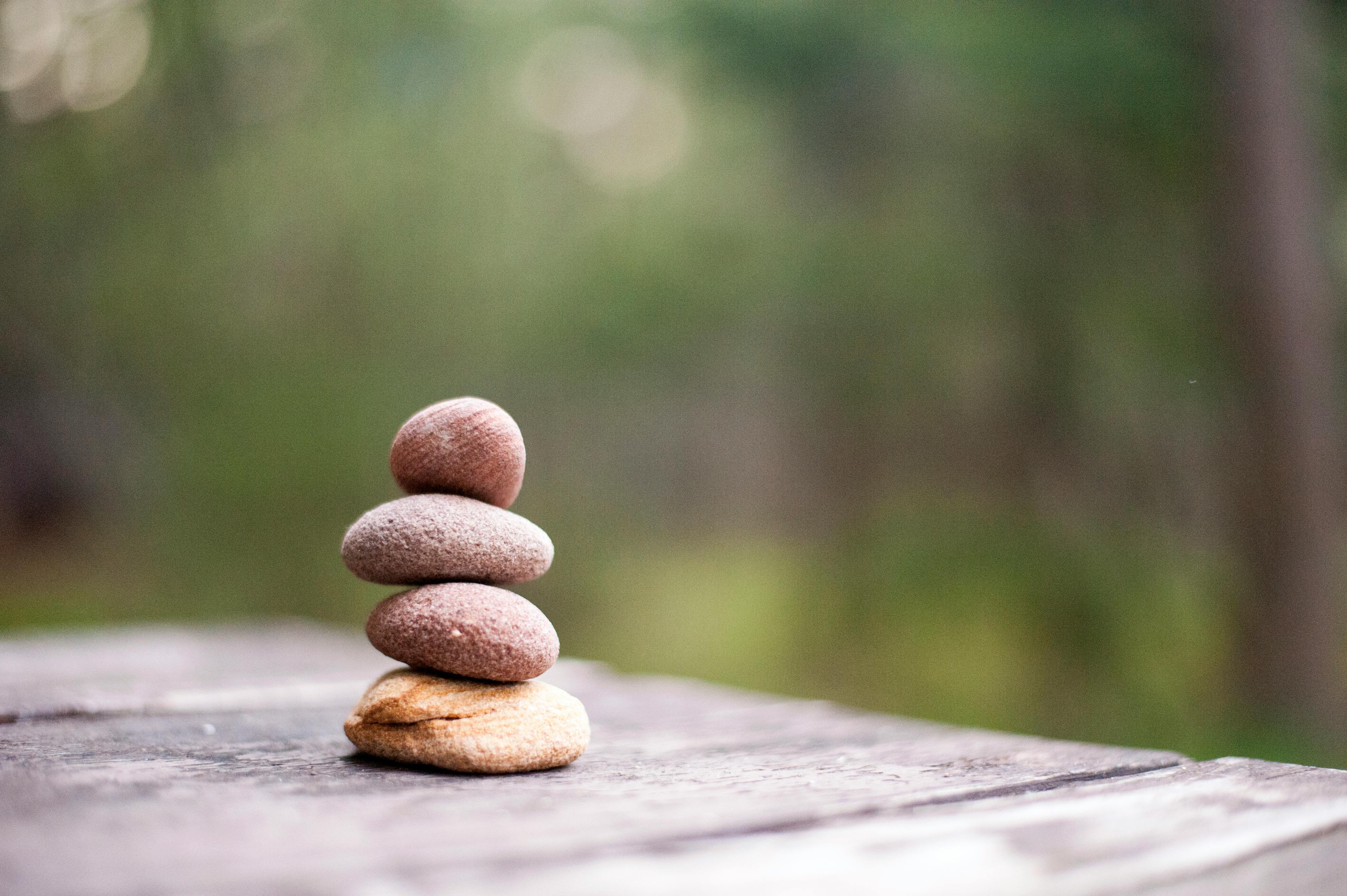
This image is property of images.pexels.com.
Incorporate Fragrance
Aromas can evoke emotions and memories, making them a vital part of your relaxing environment.
Essential Oils
Using essential oils, whether in diffusers, sprays, or candles, can promote a calm atmosphere. Some popular scents include:
- Lavender: Known for its calming properties.
- Chamomile: Promotes relaxation and can help with sleep.
- Bergamot: Uplifting and calming, perfect for relieving stress.
Fresh Air
Don’t underestimate the power of fresh air. Open windows when possible and allow airflow to invigorate your space, which can help clear your mind.
Limit Digital Distractions
In a world dominated by screens, creating a relaxing environment means setting boundaries with technology.
Create Tech-Free Zones
Designate specific areas of your home as technology-free to encourage relaxation. For instance, your bedroom could be a place for reading rather than scrolling through your phone.
Set Time Limits
Establish daily time limits for technology use to ensure you spend quality time in your relaxing spaces without digital distractions.
Personal Touches
Adding personal elements can enhance the relaxation factor, making your home a true reflection of you.
Display Meaningful Items
Incorporate items that hold sentimental value, like photos, artwork, or travel souvenirs. These elements can evoke fond memories and create a warm ambiance.
Organize Your Belongings
Create a system that works for you. Whether you prefer minimalist displays or a curated gallery wall, ensure your items are organized in a way that promotes ease and tranquility.
Sound and Silence Matter
The atmosphere of your home isn’t just about visuals; it also involves sound.
Choose Soothing Music
Music can set the tone for your space. Curate playlists with calming tunes that help you unwind after a long day.
Embrace Silence
Just as music can be soothing, silence can also enhance relaxation. Create spaces where you can sit, breathe, and just be without external noise.
Maintain a Seasonal Refresh
As seasons change, so can your need for a fresh atmosphere in your home.
Seasonal Decor Changes
Consider rotating your decor to reflect the seasons. Incorporate elements like:
- Fresh flowers in spring.
- Warm blankets and fall-themed decorations in autumn.
- Cozy lighting and festive cheer in winter.
Seasonal Cleaning
Establish a seasonal cleaning routine to maintain a serene home atmosphere. Decluttering, organizing, and resetting your space with the seasons ensures your environment remains conducive to relaxation.
Celebrate Your Progress
Creating a relaxing home environment is an ongoing journey. Take a moment to celebrate your progress. Maybe you’ve transformed a cluttered room into a peaceful retreat or finally created your cozy reading nook.
Journaling Your Journey
Consider keeping a journal of your journey towards creating a calming home. Reflect on what you’ve succeeded in and the ways your environment fosters relaxation. This can be a powerful reminder of how far you’ve come.
Conclusion: Your Sanctuary Awaits
Designing a relaxing home environment is not merely about aesthetics; it’s about crafting a space that nurtures your mind, body, and spirit. The journey requires mindfulness, intention, and ongoing effort.
By implementing these strategies, you empower yourself to create a sanctuary that looks and feels just right for you. Whether it’s soothing colors, the warmth of natural light, or the careful arrangement of furniture, your home can become your personal retreat—a haven where you can unwind and recharge.
As you work towards curating a calm and relaxing space, remember to stay adaptable and open to change. Every home and individual is unique, so listen to your body and mind as you shape the environment that nourishes your well-being.
You deserve a home that supports your health and happiness, so let your journey begin today. Happy crafting!