
Have you ever felt bottled up inside, as if your thoughts and emotions are tangled like a ball of yarn? You’re not alone! Many people experience moments when they need an outlet to express their feelings and gain clarity. One powerful tool you can use is journaling. In this piece, you’ll discover various journaling techniques designed to help you release emotions and achieve a clearer state of mind.
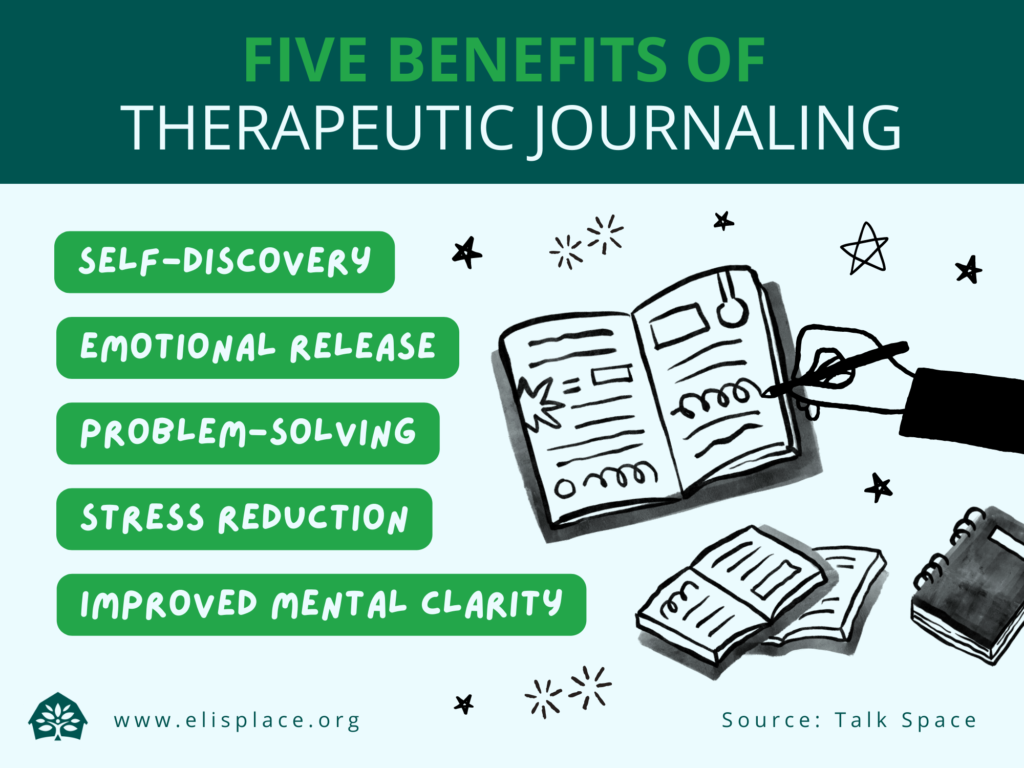
This image is property of www.elisplace.org.
Understanding the Benefits of Journaling
Journaling can serve as a therapeutic release for your mind and soul. By putting your thoughts on paper, you create a safe space to reflect, process feelings, and gain insights into your life. Here are some key benefits you might enjoy from journaling:
Emotional Release
Writing can be a cathartic process. It allows you to release pent-up emotions that may be lingering beneath the surface. When you articulate your feelings, whether they’re happy, sad, frustrated, or anxious, you can often feel a sense of relief.
Enhanced Clarity
Have you ever found it difficult to think clearly during stressful times? Writing can help you organize your thoughts and sort through confusion. By capturing your ideas on paper, you create a visual representation of your mind, helping you untangle and simplify complex emotions.
Increased Self-Awareness
Journaling encourages self-reflection, allowing you to get to know yourself better. You may discover patterns in your thoughts or behaviors that you weren’t aware of before. This increased awareness can lead to personal growth and better decision-making.

This image is property of cms.buzzrx.com.
Journaling Techniques for Emotional Release
Now that you understand the benefits, let’s look at some effective techniques for emotional release. These methods can guide you as you pour your thoughts onto the page.
Free Writing
Free writing is a technique where you let your thoughts flow onto the page without worrying about grammar, punctuation, or structure. Set a timer for 10-15 minutes, grab a pen and paper, and write whatever comes to your mind. Don’t censor yourself or edit your thoughts. The goal is to let your emotions spill freely.
- Tip: If you find yourself stuck, try writing a phrase like “I feel…” or “Today was…” to get the juices flowing.
Stream of Consciousness
Similar to free writing, stream-of-consciousness journaling is about writing continuously without any specific structure. This technique invites you to tap into your subconscious thoughts, revealing feelings and ideas you might have buried. Write whatever comes to mind, no matter how random or unrelated it may seem.
- Tip: Allow your hand to move freely across the page, and don’t stop to edit or critique. Just let your thoughts flow!
Gratitude Journaling
While gratitude journaling may focus less on emotional release, it can improve your overall emotional well-being. Write down three to five things you’re grateful for each day. This practice can shift your perspective and help you find joy in the smaller moments in life, ultimately contributing to a more balanced mindset.
- Tip: Try to be specific in your entries. Instead of writing “I’m grateful for my family,” you could say, “I’m grateful for my sister’s supportive text message today.”
Prompted Journaling
If you need a little guidance to get started, using prompts can be very helpful. Prompts are specific questions or statements designed to spark your thoughts and feelings. Some examples of prompts you could use are:
“What made me feel overwhelmed this week?”
“Write about a time I felt truly happy.”
“What do I need to let go of right now?”
Tip: Keep a list of prompts handy or use a guided journal that includes various prompts for inspiration.
Mood Journaling
Tracking your mood daily can be a powerful tool for emotional release. You might want to create a simple table in your journal where you record your mood and any triggers that impacted it. Over time, you may notice patterns that can lead to improved emotional management.
| Date | Mood | Triggers/Notes |
|---|---|---|
| 2023-10-01 | Anxious | Stress from work deadlines |
| 2023-10-02 | Happy | Enjoyed lunch with a friend |
| 2023-10-03 | Frustrated | Technology issues with my computer |
- Tip: Consider adding a section for positive affirmations or coping strategies you can employ when you experience negative feelings.
Art Journaling
If you find it difficult to express yourself solely with words, consider adding art to your journaling practice. This can be as simple as doodling, coloring, or even collaging pictures that resonate with your feelings. Art can tap into your emotions in a unique way, providing a different outlet for expression.
- Tip: Don’t worry about artistic skills. The goal is to express yourself, not create a masterpiece!

This image is property of Amazon.com.
Journaling Techniques for Clarity
Clarifying your thoughts and feelings can be just as beneficial as releasing pent-up emotions. These journaling techniques can help you focus and gain deeper insights.
Mind Mapping
Mind mapping is a visual technique that helps you organize your thoughts visually. Start with a central idea in the middle of the page and branch out with related thoughts or themes. This technique can help untangle complex emotions and clarify your priorities.
- Tip: Use colors or symbols to represent different themes or emotions, making your mind map visually engaging.
Goal Setting Journaling
Setting clear goals can give you a sense of direction and purpose. Dedicate a section of your journal to list your short-term and long-term goals. Break them down into actionable steps to monitor your progress. Reflect on these goals regularly to stay focused.
- Tip: Use SMART criteria (Specific, Measurable, Achievable, Relevant, Time-bound) to structure your goals effectively.
Reflection Journaling
Taking time to reflect on your day or week can help create clarity around your experiences. Write about what went well, what challenges you faced, and how you responded to them. This reflection allows you to learn from your experiences and course-correct for the future.
- Tip: Consider ending each entry with an “I’ve learned” statement to solidify insights gained during your reflection.
Letter Writing
Writing letters can be a therapeutic way to express thoughts and feelings, especially if you have unresolved issues with someone. You don’t necessarily have to send these letters; instead, write them as a way to articulate your emotions and work through your feelings. You could write letters to:
A person you need to forgive.
Your past self.
Your future self.
Tip: Don’t hold back! Write freely and honestly, regardless of how raw the emotions may feel.
Daily Review Journaling
At the end of each day, take a moment to reflect on your experiences and jot down your thoughts. Consider what made you feel fulfilled and what could be improved. This practice helps you end your day with clarity, allowing you to sleep more peacefully.
- Tip: Include questions in your daily review like, “What did I learn today?” or “How did I make someone else happy?”

This image is property of i0.wp.com.
Integrating Journaling into Your Routine
Consistency is key when it comes to journaling. Developing a routine can help you establish a meaningful journaling practice. Here’s how to incorporate journaling into your everyday life:
Set Aside Time
Choose a specific time each day to dedicate to your journaling. Whether it’s in the morning with a cup of coffee, during a lunch break, or just before bed, consistent timing can help reinforce the habit.
Create a Comfortable Space
Find a cozy spot where you can sit down and write without distractions. This space should feel inviting and comfortable so that you look forward to spending time there. Consider adding calming elements like soft lighting, cushions, or your favorite drink.
Limit Distractions
To get the most out of your journaling sessions, minimize distractions. Leave your phone in another room, turn off notifications, and allow yourself to focus solely on your thoughts and feelings.
Use Journaling Tools
There are plenty of journaling tools and apps available to assist you in your practice. Feel free to experiment with different journals, pens, or digital platforms. The right tools can enhance your journaling experience.
Review and Reflect
Go back to previous entries to gain insight into your growth. Reflecting on your past writings can give you clarity on how far you’ve come and provide valuable lessons for your journey ahead.

This image is property of cdn.prod.website-files.com.
Conclusion
Journaling is a versatile tool that can facilitate emotional release and enhance clarity in your life. By exploring various techniques, you can find what resonates with you and create a practice tailored to your needs. Don’t be afraid to express your feelings, whether they’re lighthearted or heavy. In doing so, you may discover not only a deeper connection with yourself but also a path toward a more balanced and fulfilling life. Embrace the process, and let your pen guide you to emotional freedom!


