
Have you ever found yourself in a situation where the pressure feels overwhelming, and you just don’t know how to remain calm? You’re certainly not alone. High-stress situations can pop up in various aspects of our lives, from work deadlines to personal conflicts, and learning how to manage that stress can make a significant difference in your well-being. In this piece, we’re going to explore some effective techniques to help you stay calm when life inevitably throws challenges your way.
This image is property of images.pexels.com.
Understanding Stress and Its Effects
Stress is a natural response to perceived threats or challenges, triggering your body’s fight-or-flight reaction. However, prolonged stress can lead to various negative health outcomes, including anxiety, depression, and physical ailments. By understanding your body’s response to stress, you can better equip yourself with tools to stay calm.
The Physiology of Stress
When you experience stress, your body releases hormones like adrenaline and cortisol. These hormones prepare your body to face danger, but if they’re present for extended periods, they can lead to chronic stress. Recognizing the signs of stress—such as rapid heartbeat, muscle tension, or irritability—is the first step toward managing it effectively.
Identifying Stressors
To stay calm, you need to identify what triggers your stress. This awareness allows you to manage your responses more effectively. Is it public speaking, tight deadlines, or personal relationships? Write down the situations that cause you anxiety and think about why they affect you.
Practical Techniques to Stay Calm
Once you’ve identified your stressors, you can employ specific techniques that will help you remain calm.
Deep Breathing
One of the simplest and most effective ways to reduce stress is through deep breathing. This technique focuses on taking slow, deep breaths to calm your nervous system.
How to Practice Deep Breathing
- Find a quiet place to sit or lie down.
- Close your eyes and slowly inhale through your nose for a count of four.
- Hold your breath for four counts.
- Exhale slowly through your mouth for a count of six.
- Repeat this process five to ten times.
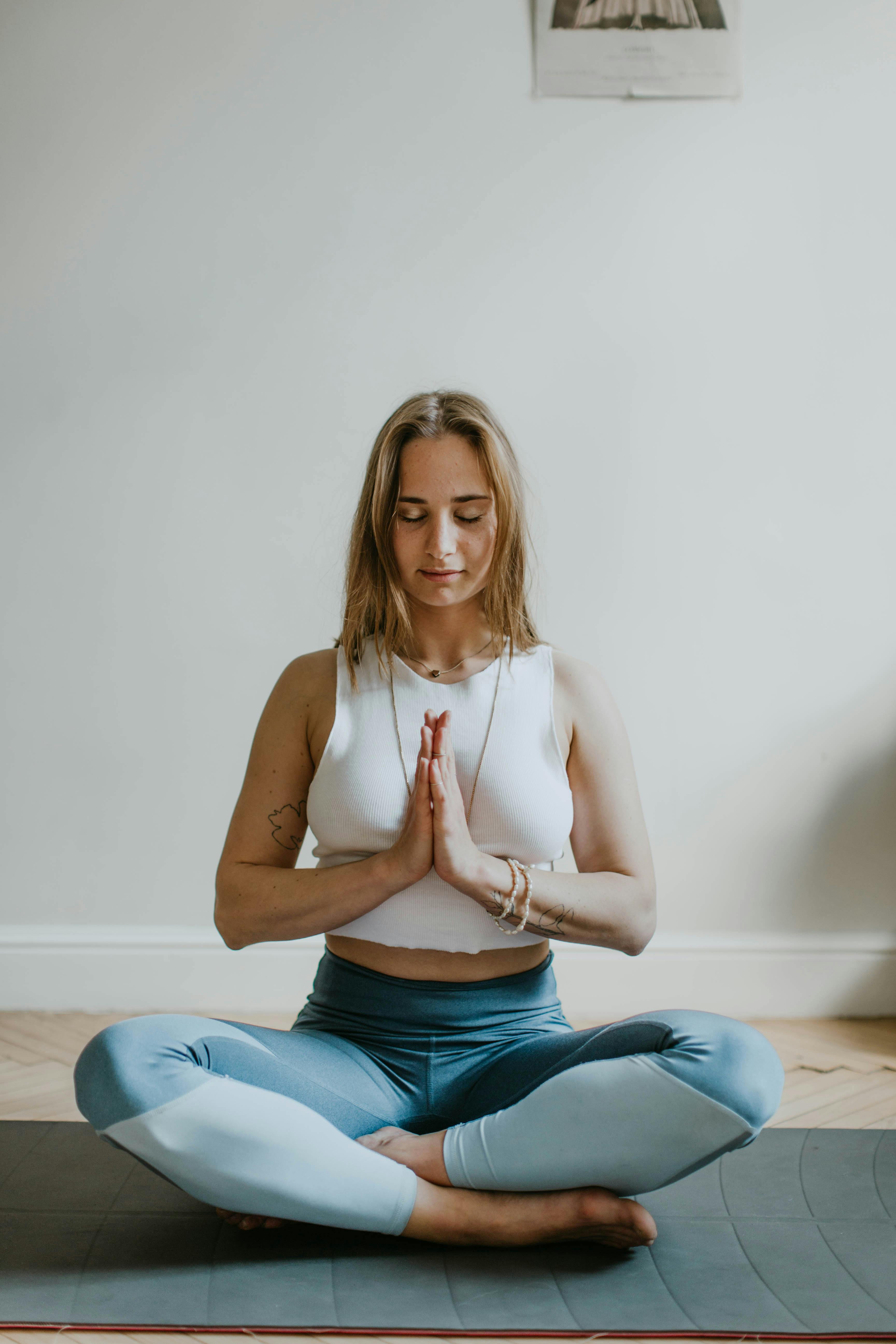
Mindfulness Meditation
Practicing mindfulness helps you stay present and attentive to the current moment, reducing anxiety about the past or future.
Getting Started with Mindfulness
- Find a comfortable position, either sitting or lying down.
- Focus on your breath, observing the natural rhythm without trying to change it.
- If your mind wanders, gently bring your focus back to your breath.
- Start with five minutes daily and gradually increase the duration.
Progressive Muscle Relaxation
Progressive Muscle Relaxation (PMR) involves tensing and then relaxing each muscle group to reduce physical tension.
Steps for PMR
- Start at your toes and work your way up to your head.
- Tense each muscle group for five seconds.
- Relax the muscle for 30 seconds and observe the difference in tension.
- Repeat this for each muscle group.
This image is property of images.pexels.com.
Creating a Calming Environment
Sometimes, changing your environment can significantly reduce stress levels. Here are some suggestions for creating a peaceful space.
Declutter Your Space
An organized space can lead to a clear mind. Spend a few minutes tidying up your work area, living room, or bedroom. A clutter-free environment can help you feel more in control and less anxious.
Use Aromatherapy
Certain scents can promote relaxation. Essential oils like lavender, chamomile, and eucalyptus are known for their calming effects.
How to Use Aromatherapy
- Use an oil diffuser and add a few drops of your preferred essential oil.
- Apply diluted essential oils to your pulse points (wrists, temples) for direct inhalation.
- Consider using scented candles to create a soothing atmosphere.
Ambient Music or Nature Sounds
Listening to calming music or nature sounds can decrease stress and enhance your mood.
Creating Your Playlist
- Choose soothing instrumental music or nature soundtracks (like rain or ocean waves).
- Create a playlist that you can turn to whenever you feel stressed.
- Use this playlist while working, meditating, or relaxing.
Developing a Routine
Establishing a daily routine can also create a sense of predictability that lowers stress levels.
Morning Rituals
Start your day with intention. Whether it’s a simple stretch, a short meditation, or a warm cup of tea, find what helps you kickstart your day positively.
Exercise Regularly
Physical activity is one of the most effective ways to combat stress. Regular exercise releases endorphins, the body’s natural mood lifters.
Finding What Works for You
- Choose activities you enjoy, whether it’s walking, yoga, cycling, or dancing.
- Aim for at least 30 minutes of exercise on most days.
- Consider group classes or outdoor activities for added motivation.
Practicing Gratitude
Taking time to reflect on what you’re grateful for can shift your focus from stressors to positive aspects of your life.
How to Start a Gratitude Journal
- Keep a journal dedicated to gratitude.
- Write down three things you’re thankful for each day.
- Reflect on these positive moments when you feel overwhelmed.
This image is property of images.pexels.com.
Seeking Support
Understanding that you’re not alone can make a huge difference in your ability to cope with stress.
Talk to Friends or Family
Reach out to your trusted circle when you’re feeling stressed. Sometimes, sharing your thoughts can help lighten the load.
Professional Support
There’s no shame in seeking help from mental health professionals. Therapists and counselors can equip you with valuable coping strategies.
Managing Time Effectively
Poor time management can lead to stress, so developing good habits around time can ease anxiety.
Prioritizing Tasks
Use a simple system to prioritize your workload.
| Priority Level | Task Example |
|---|---|
| High | Submit project report |
| Medium | Prepare for tomorrow’s meeting |
| Low | Organize your workspace |
- List your tasks and categorize them as high, medium, or low priority.
- Focus on completing high-priority tasks first.
Setting Realistic Goals
Avoid overwhelming yourself by setting achievable goals. Break larger tasks into manageable steps.
The SMART Goals Method
- Specific: Be clear about what you want to accomplish.
- Measurable: Determine how you will measure success.
- Achievable: Ensure that your goals are realistic.
- Relevant: Align your goals with your overall objectives.
- Time-bound: Assign a deadline for each goal.
Finding Your Zen
Incorporating relaxation techniques into your life can create a buffer against stress.
Yoga and Stretching
Yoga is a practice that combines physical activity, breathing techniques, and meditation, making it an excellent way to unwind.
Simple Yoga Poses to Try
- Child’s Pose: Kneel on the floor, sit back on your heels, and stretch your arms forward, resting your forehead on the ground.
- Cat-Cow Stretch: Move between arching your back (cat) and dipping your back (cow) while on all fours.
- Corpse Pose: Lie flat on your back with your arms at your sides, focusing on your breath and allowing your body to relax.
Visualization Techniques
Use your imagination to create a peaceful scene in your mind to escape stressful thoughts.
Steps for Visualization
- Find a comfortable and quiet place.
- Close your eyes and take a few deep breaths.
- Imagine a serene landscape—beach, forest, or any place you find calming.
- Engage all your senses, picturing the colors, sounds, and feelings of that space.
Adopting a Positive Mindset
Your thoughts can influence your feelings significantly. Transforming negative thought patterns can help boost your resilience to stress.
Positive Affirmations
Using positive affirmations can help reframe your mindset.
Creating Your Affirmations
Write down a list of affirmations that resonate with you, such as:
- “I am capable of handling any challenges that come my way.”
- “I trust in my ability to manage stress.”
Repeat these affirmations daily, especially during stressful times.
Cognitive Behavioral Techniques
Utilizing cognitive behavioral strategies can help identify and challenge unproductive thoughts.
Steps to Apply CBT Techniques
- Notice unhelpful thoughts as they arise.
- Challenge these thoughts by asking questions like: “Is this thought true?” or “What evidence do I have?”
- Replace negative thoughts with a more balanced perspective.
Conclusion
In a world full of pressures, learning to stay calm in high-stress situations is not just a skill but a necessary part of maintaining your overall well-being. By integrating techniques like deep breathing, mindfulness, and positivity into your routine, you can cultivate a sense of calm that can help you navigate life’s challenges more gracefully. Remember, everyone feels stressed; it’s how you respond that truly matters. With practice and effort, you can turn the tide on stress and lead a more balanced, fulfilling life. So, which technique will you try first?


